

When it comes to creating a captivating water feature, incorporating pond plants can elevate its beauty and ecological balance. Whether you have a small backyard pond or a larger water garden, adding the right plants can enhance the aesthetics, provide habitat for wildlife, and maintain a healthy aquatic ecosystem. In this guide, we will explore the world of pond plants, offering insights into their types, benefits, and care tips.
Types of Pond Plants
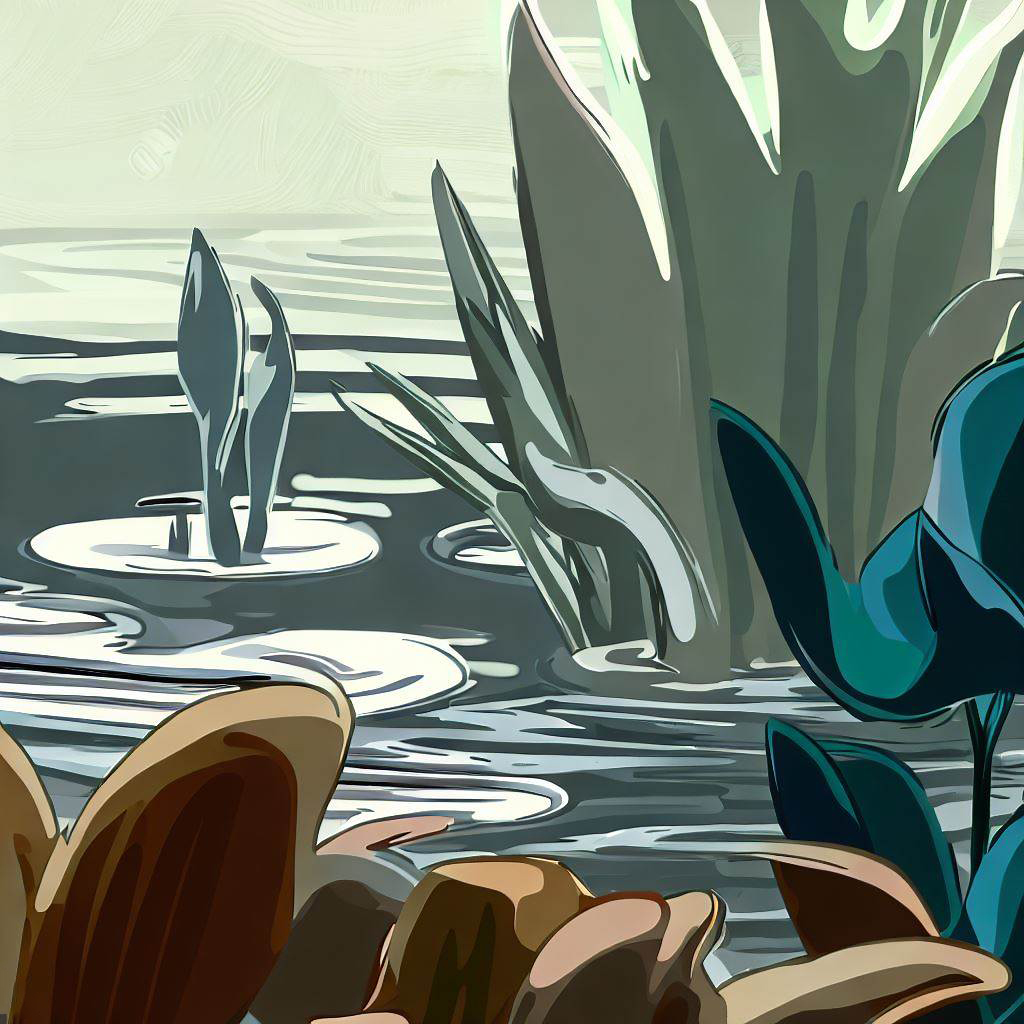
Pond plants can be classified into three main categories based on their growth habits and habitat preferences: submerged plants, floating plants, and marginal plants.
- Submerged Plants: Also known as oxygenators, submerged plants are fully submerged in water, and they play a vital role in maintaining water clarity and quality. These plants release oxygen during the day and absorb excess nutrients, helping to prevent algae overgrowth. Common submerged plants include hornwort, anacharis, and Vallisneria.
- Floating Plants: Floating plants effortlessly float on the water surface, adding a touch of elegance to any water feature. They provide shade and shelter for aquatic life, reduce sunlight penetration, and hinder algae growth. Popular choices for floating plants include water lilies, water hyacinths, and duckweeds.
- Marginal Plants: Marginal plants, also known as bog or emergent plants, grow along the water’s edge or in shallow water. These plants offer a natural transition from land to water and provide habitat for a variety of aquatic organisms. Cattails, iris, and pickerelweed are commonly used marginal plants.
Benefits of Pond Plants
Incorporating pond plants into your water feature brings several benefits, both aesthetic and functional.
- Aesthetics: Pond plants add beauty and a touch of natural serenity to any water feature. The vibrant colors and textures of the foliage and flowers create a visually stunning landscape that can be enjoyed throughout the seasons.
- Water Quality: Pond plants contribute to maintaining healthy water quality by absorbing excess nutrients like nitrates and phosphates. They help to regulate oxygen levels, reduce water temperature, and prevent the growth of unsightly algae.
- Wildlife Habitat: Pond plants offer refuge and food sources for a variety of aquatic creatures. Fish, frogs, dragonflies, and water insects find shelter and breeding grounds among the plant foliage, contributing to a thriving ecosystem.
- Erosion Control: Marginal plants play a crucial role in stabilizing the shoreline and preventing erosion. Their root systems bind the soil, minimizing the impact of water movement and protecting the pond’s structure.
Care Tips for Pond Plants
To ensure the health and longevity of your pond plants, it is important to follow these care tips:
- Light Requirements: Different pond plants have varying light requirements. Ensure you choose plants that match the available sunlight in your water feature. Shade-tolerant plants are suitable for areas with limited direct sunlight, while sun-loving plants thrive in full sun conditions.
- Planting Techniques: Submerged plants are typically potted and placed at the bottom of the pond, while floating plants simply float on the water surface. Marginal plants are usually planted in containers submerged in shallow water. Follow specific planting instructions for each plant type.
- Nutrient Balance: Regularly monitor the nutrient levels in your pond. Excessive nutrients can lead to algae blooms and affect the health of your plants and aquatic life. Use appropriate fertilizers sparingly, and consider adding beneficial bacteria to maintain a balanced ecosystem.
- Maintenance: Remove any dead or decaying plant material from the water to prevent it from accumulating and affecting water quality. Control invasive plants that may overshadow or out-compete other species. Regularly prune and divide plants to keep them in check and maintain a balanced ecosystem.