

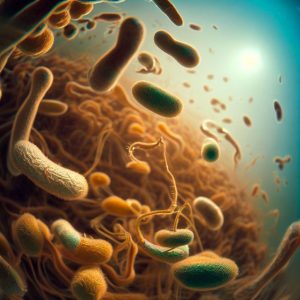
Nature’s intricate tapestry extends far beyond what meets the eye. Beneath the serene surface of a humble pond lies an extraordinary universe teeming with an astonishing array of microscopic organisms. These tiny inhabitants, often unnoticed by the casual observer, constitute a diverse and captivating ecosystem. In this article, we embark on a journey to uncover the hidden wonders of the microscopic world of pond life.
- The Importance of Pond Life: Pond life serves as a vital link in the ecological chain, playing an essential role in maintaining the delicate balance of our planet’s ecosystems. Microscopic organisms, including algae, bacteria, protozoa, and tiny invertebrates, contribute to nutrient cycling, water purification, and the overall health of aquatic habitats. They provide food for larger organisms and help break down organic matter, ensuring the sustainability of the ecosystem.
- Algae: Nature’s Microscopic Powerhouses: Algae, one of the most recognizable pond dwellers, exist in a stunning array of colors and shapes. These single-celled organisms harness sunlight through photosynthesis, producing oxygen and serving as the foundation of the pond’s food chain. From diatoms, which create intricate glass-like structures, to vibrant green chlorophytes and filamentous cyanobacteria, algae add an enchanting aesthetic and contribute to the oxygenation of the water.
- Bacteria: The Unsung Heroes: Often overlooked, bacteria play a crucial role in pond life. Beneficial bacteria help break down organic matter, reducing the accumulation of pollutants and maintaining water quality. They serve as nature’s recyclers, transforming waste materials into usable forms for other organisms. Additionally, certain bacteria form symbiotic relationships with other organisms, offering essential services such as nitrogen fixation, which is crucial for plant growth.
- Protozoa: Microscopic Hunters: Protozoa, microscopic single-celled organisms, are fascinating hunters in the pond ecosystem. They come in diverse shapes and sizes and exhibit an impressive array of locomotion strategies, including flagella, cilia, and pseudopods. Feeding on bacteria, algae, and other microscopic organisms, protozoa help control populations and maintain the balance within the pond. They act as an essential link in the complex food web, bridging the gap between bacteria and larger organisms.
- Microscopic Invertebrates: A World within a Drop: Delving deeper into the microscopic realm, we encounter a multitude of tiny invertebrates that call the pond home. Water fleas, rotifers, copepods, and nematodes are just a few examples of these remarkable creatures. Despite their small size, they exhibit a staggering diversity of adaptations and behaviors. Some species are filter feeders, using specialized appendages to sift through the water and gather nutrients, while others are predators, preying on smaller organisms. These invertebrates serve as a vital food source for larger aquatic creatures, supporting the intricate web of life within the pond.
The microscopic world of pond life is a captivating realm, filled with remarkable organisms that play critical roles in sustaining aquatic ecosystems. From algae harnessing the power of sunlight to bacteria recycling nutrients, and from protozoa controlling populations to tiny invertebrates serving as a vital food source, each organism contributes to the harmony of this hidden world. Understanding and appreciating the wonders of pond life not only deepens our understanding of the natural world but also highlights the interconnectedness of all living beings on our planet. So, the next time you encounter a pond, take a moment to appreciate the microscopic miracles unfolding beneath its surface.